Press your off switch in time!
Everyone experiences stress from time to time: from work, social commitments, or events at home, such as parenting, divorce, or caregiving. If you experience high levels of stress and low energy for an extended period, you can burn out. This can happen to anyone. Just like a machine, you can’t keep running at full speed all the time. You need rest to recharge. That’s why it’s important to press your own “off switch” in time.
Which stress signals do you recognize?
Below, we’ve listed several stress signals, ranging from mild to severe. Do you recognize many (serious) signals in yourself? Don’t keep it to yourself, ask for help! Talk to your manager, your HR Business Partner, or the Samen Sterk team.
Do you notice certain signals in a colleague? Bring it up and offer support. They may find it difficult to recognize or admit that something is wrong. By looking out for each other, you can truly make a difference in someone’s life.
Light
- Trouble sleeping
- Difficulty relaxing
- More easily irritated or forgetful
- Neck or shoulder tension
Moderate
-
Often tired, even after a good night’s sleep
-
Headaches, stomach issues, or heart palpitations
-
Reduced concentration
-
Canceling appointments or activities you normally enjoy
Severe
-
Completely exhausted
-
No interest in anything
-
Shaking, sweating, shortness of breath
-
Feeling down or experiencing anxiety
From well rested to burned out
A burnout doesn’t happen overnight. It develops slowly, often after a long period of stress and tension. You end up feeling completely drained, both mentally and physically. The causes can vary: too much workload, illness, or a major life change such as becoming a parent or caregiving. Personal traits like perfectionism or insecurity can also play a role. Most of the time, it’s a combination of factors that gradually leads to exhaustion.
Femke: “For a long time, I demanded a lot from myself, both at work and in my personal life. I just kept going and rarely paused to reflect on my emotions or the signals my body was giving me.”
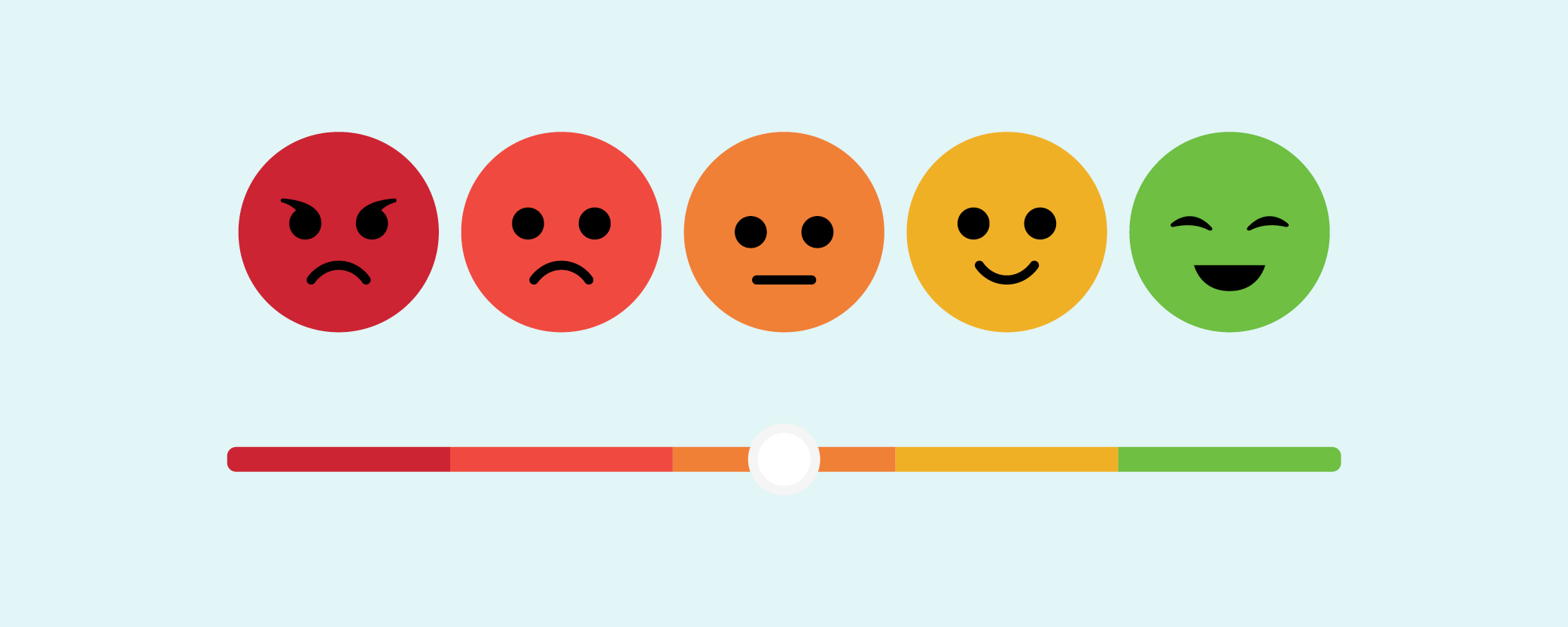
How is your energy level?
The burnout working group of the NIP (Netherlands Institute of Psychologists) has created a model that shows the different phases of energy levels, from being well-rested to experiencing burnout. Can you recognize which phase you are in?